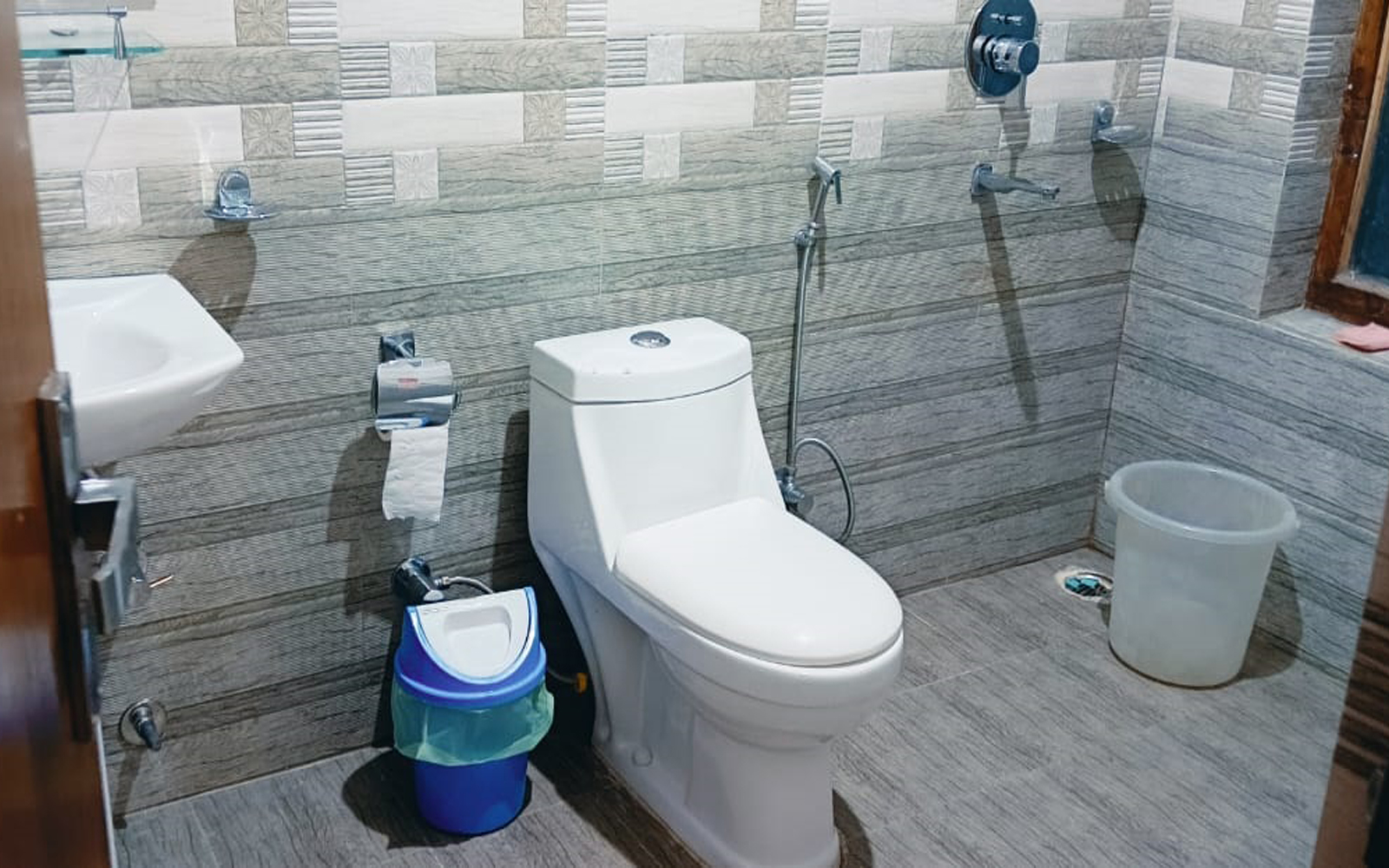

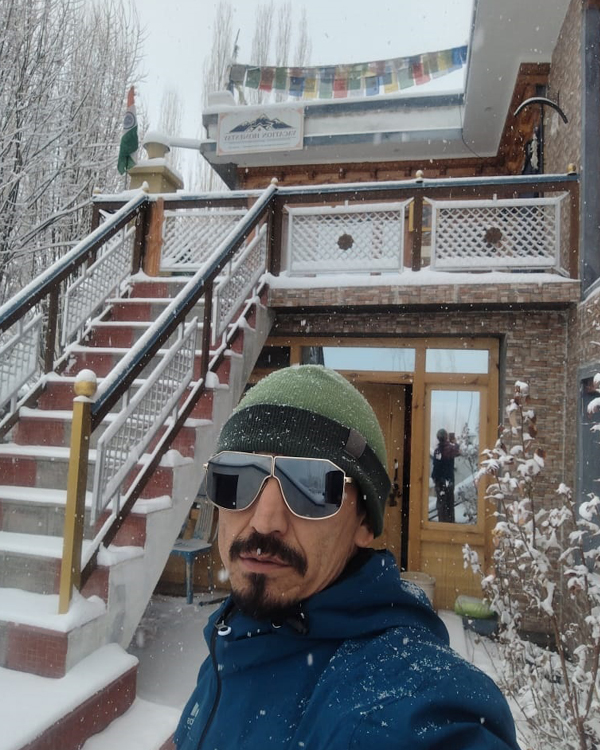
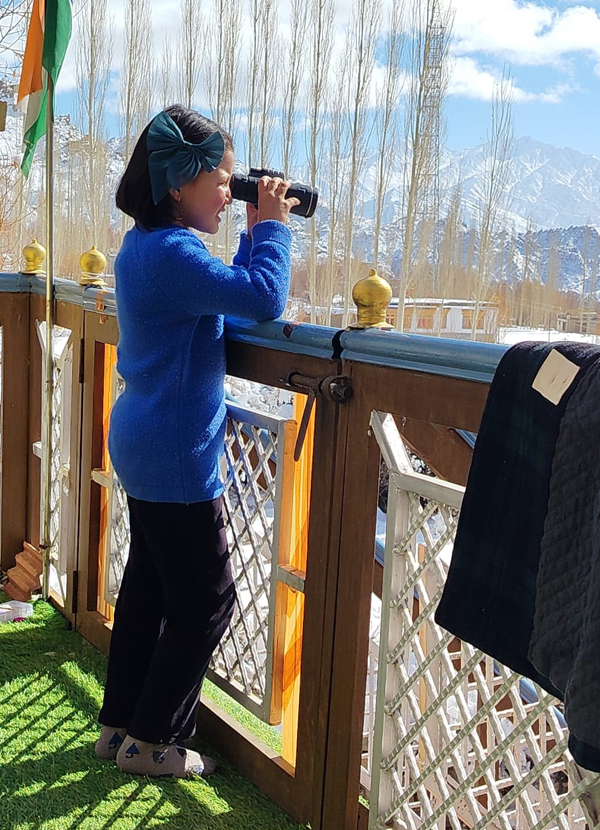
At our Vacation Home Stay in Leh, you arrive as a guest but leave as family.
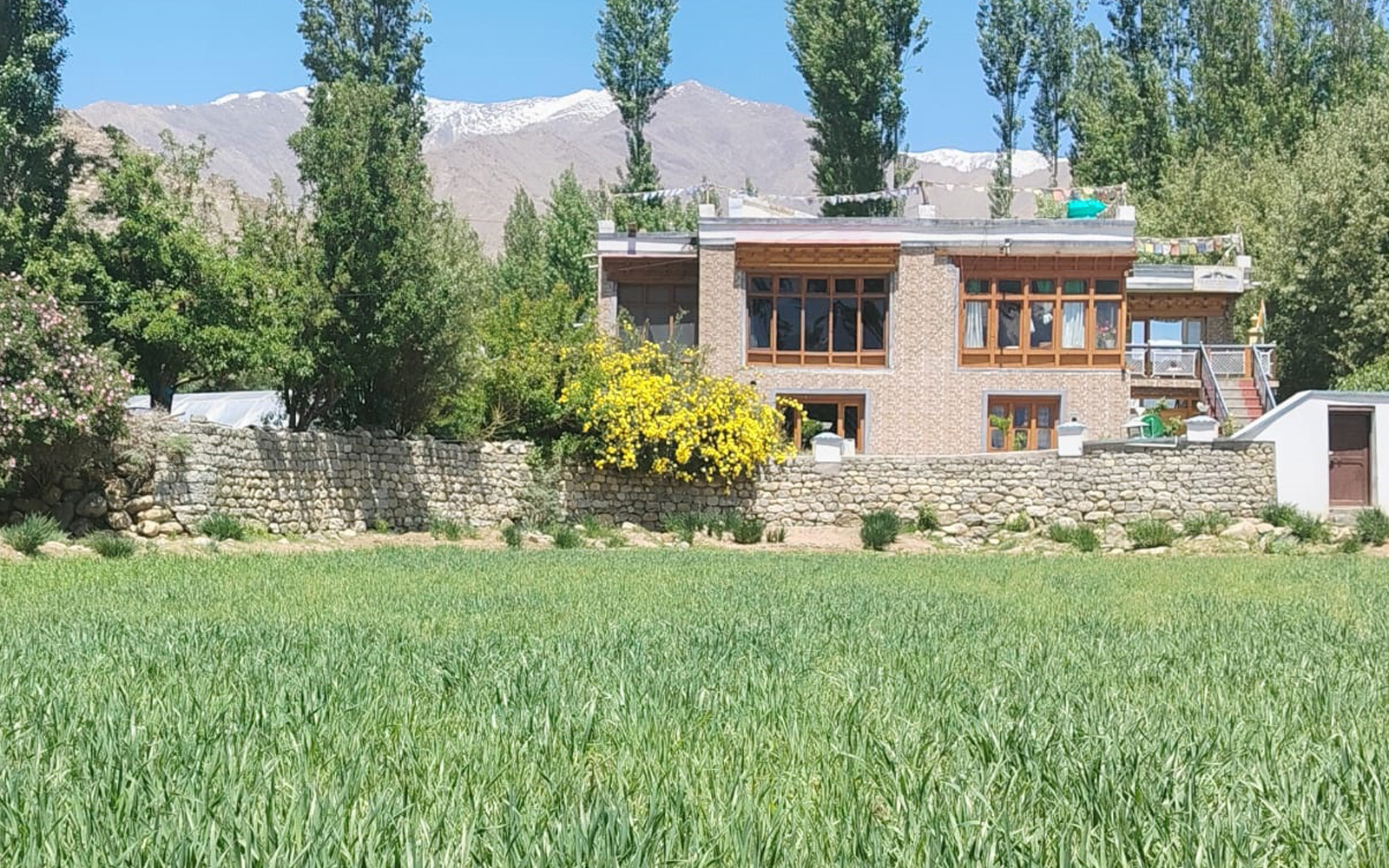
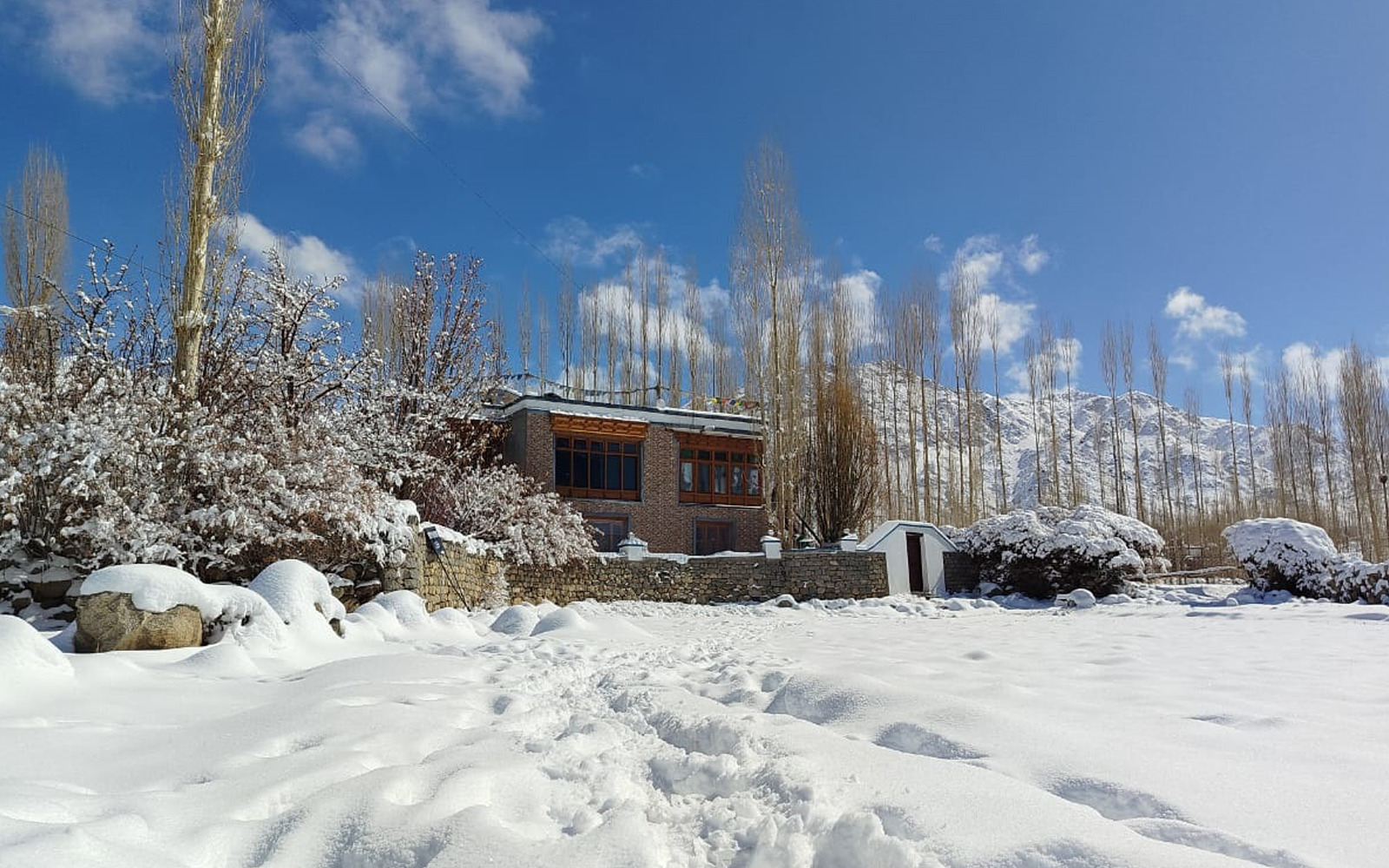
Welcome to our Vacation Home Stay in Leh, your serene retreat in the heart of the Himalayas. Nestled amidst breathtaking mountains and surrounded by the natural beauty of Ladakh, our homestay offers the perfect blend of comfort, tradition, and warm hospitality. We believe every journey should feel like home. Our property is thoughtfully designed to provide a cozy atmosphere where travelers can relax after exploring Leh’s monasteries, markets, and scenic landscapes.
Sonam Dorje
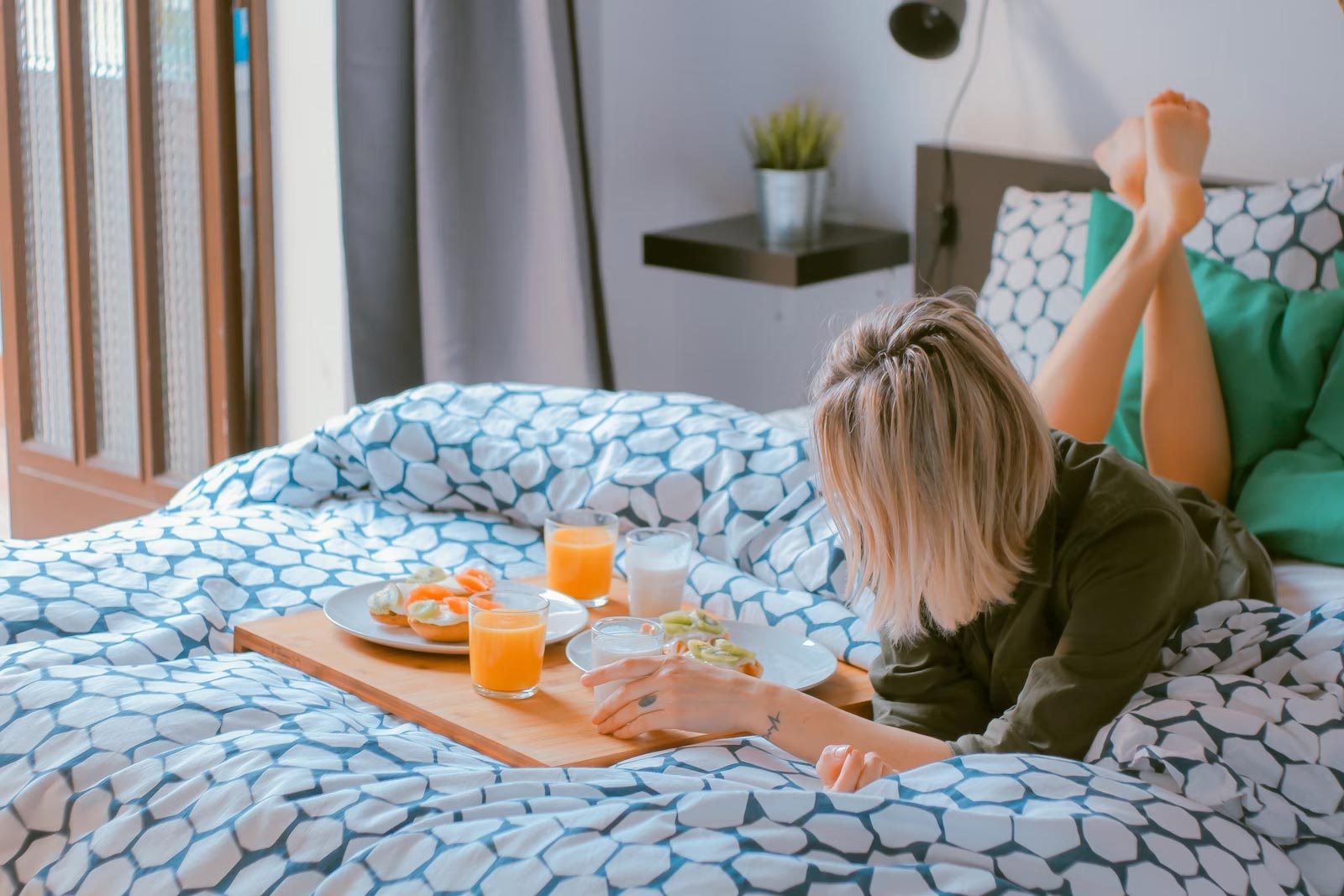

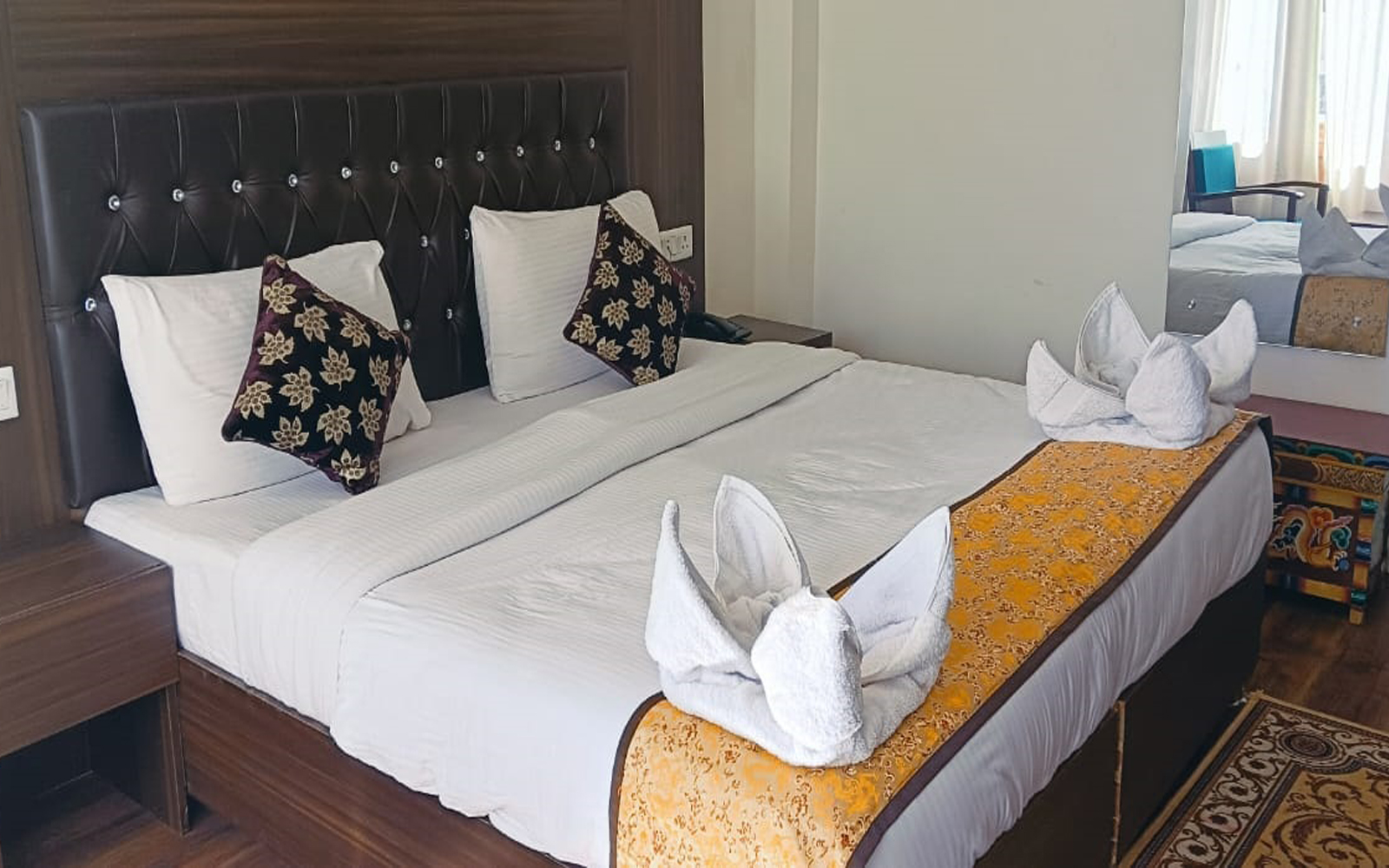
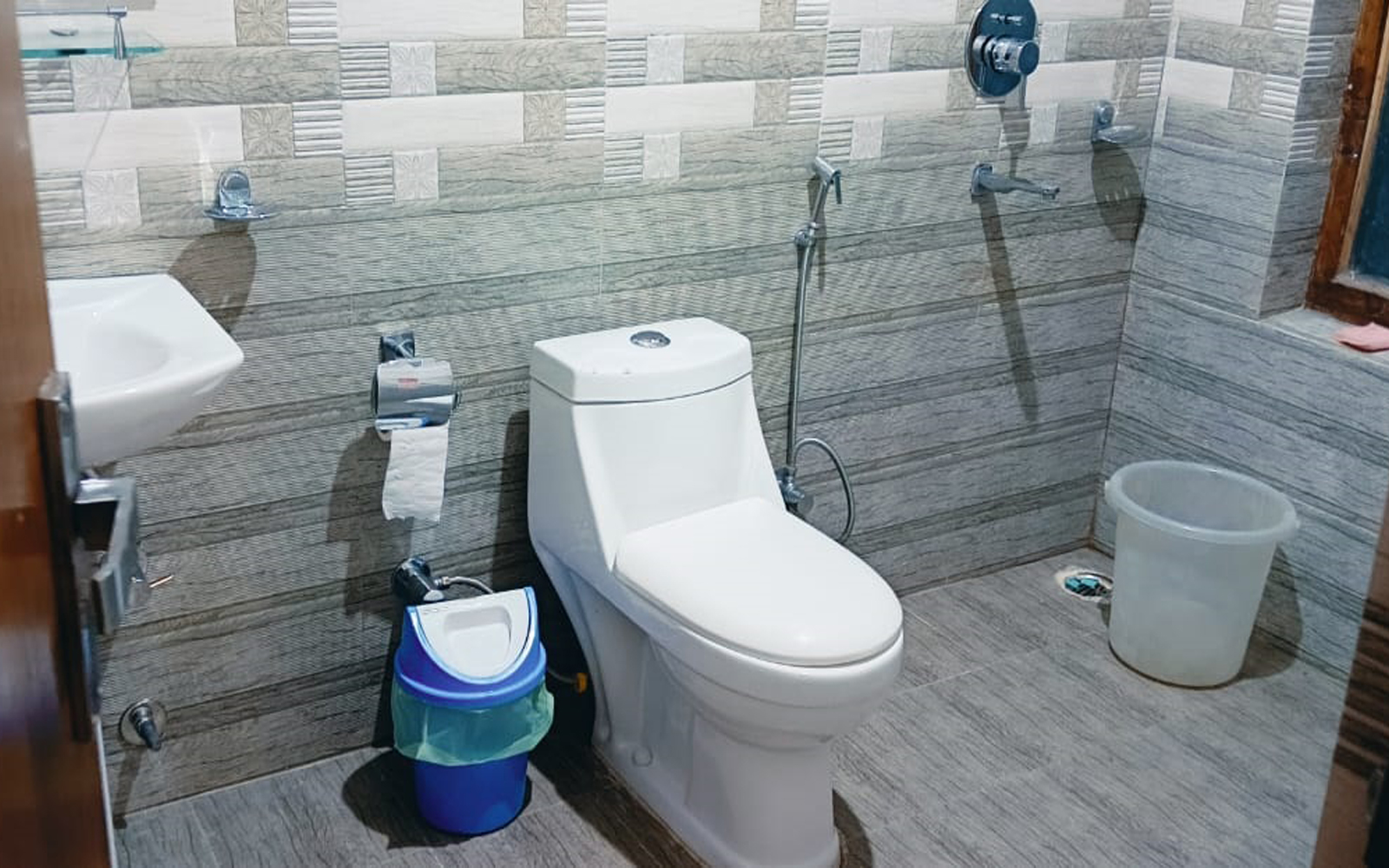
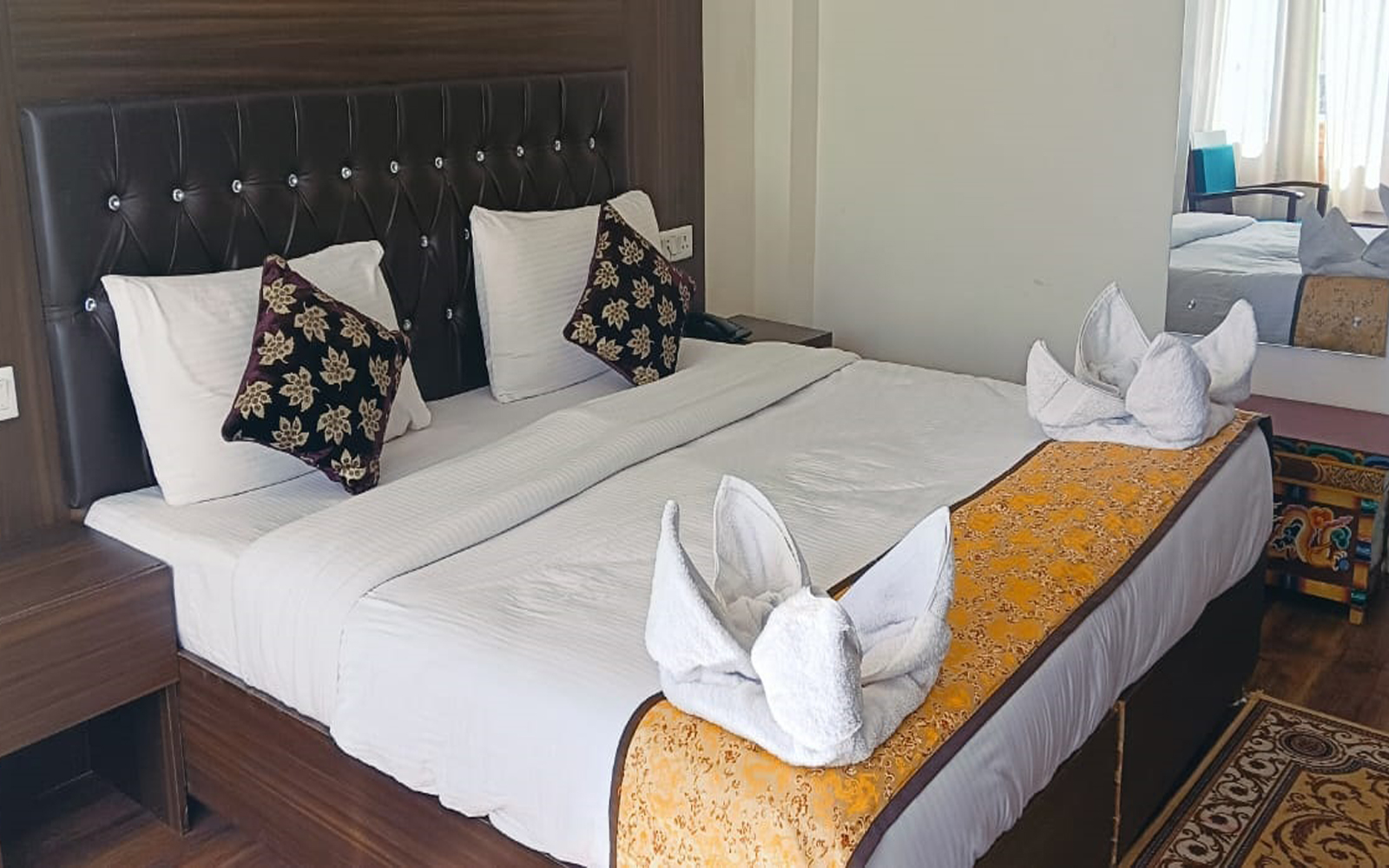
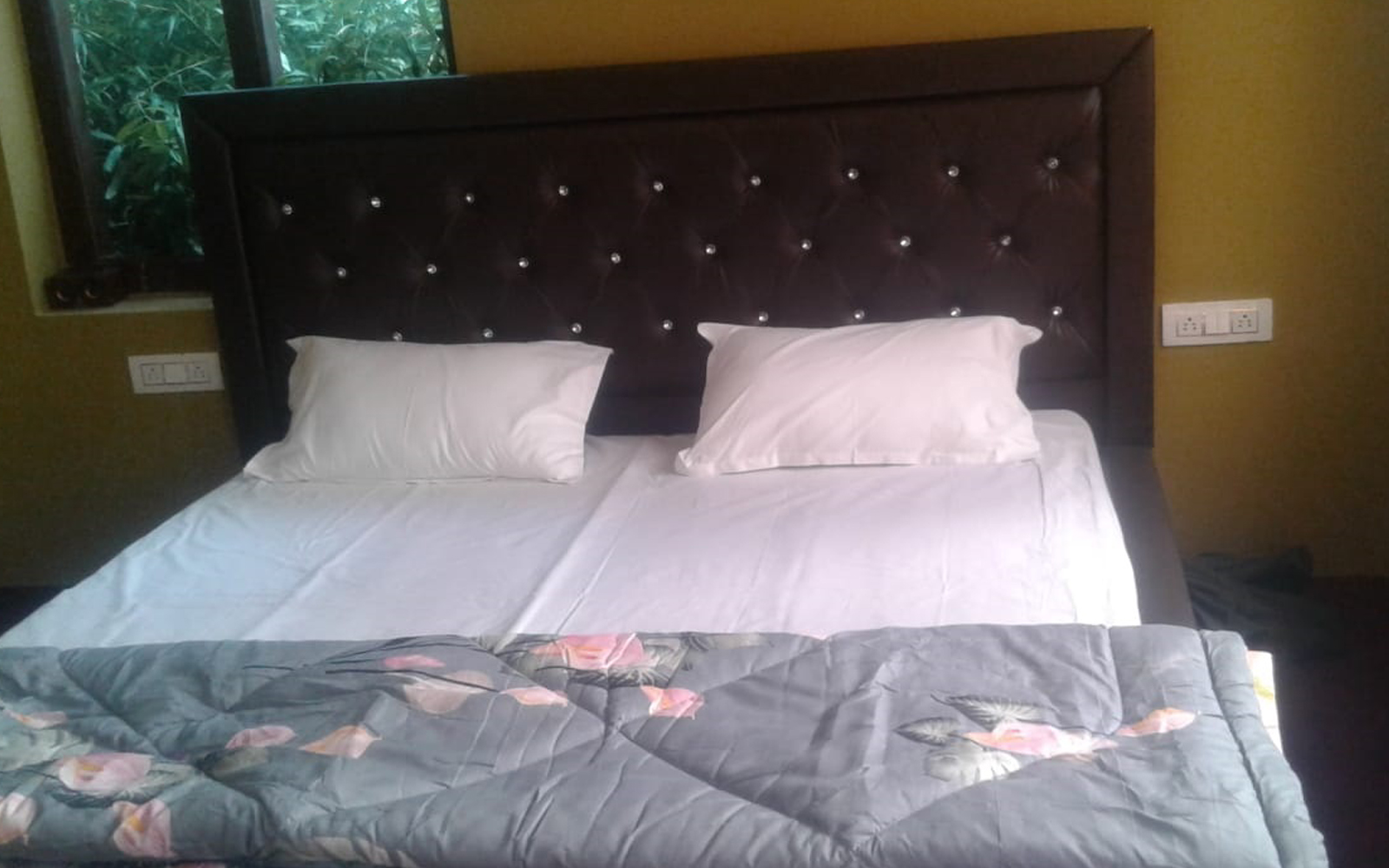
Beautiful design with modern furnishings including a glamorous bay window with your own private view of Mountains.
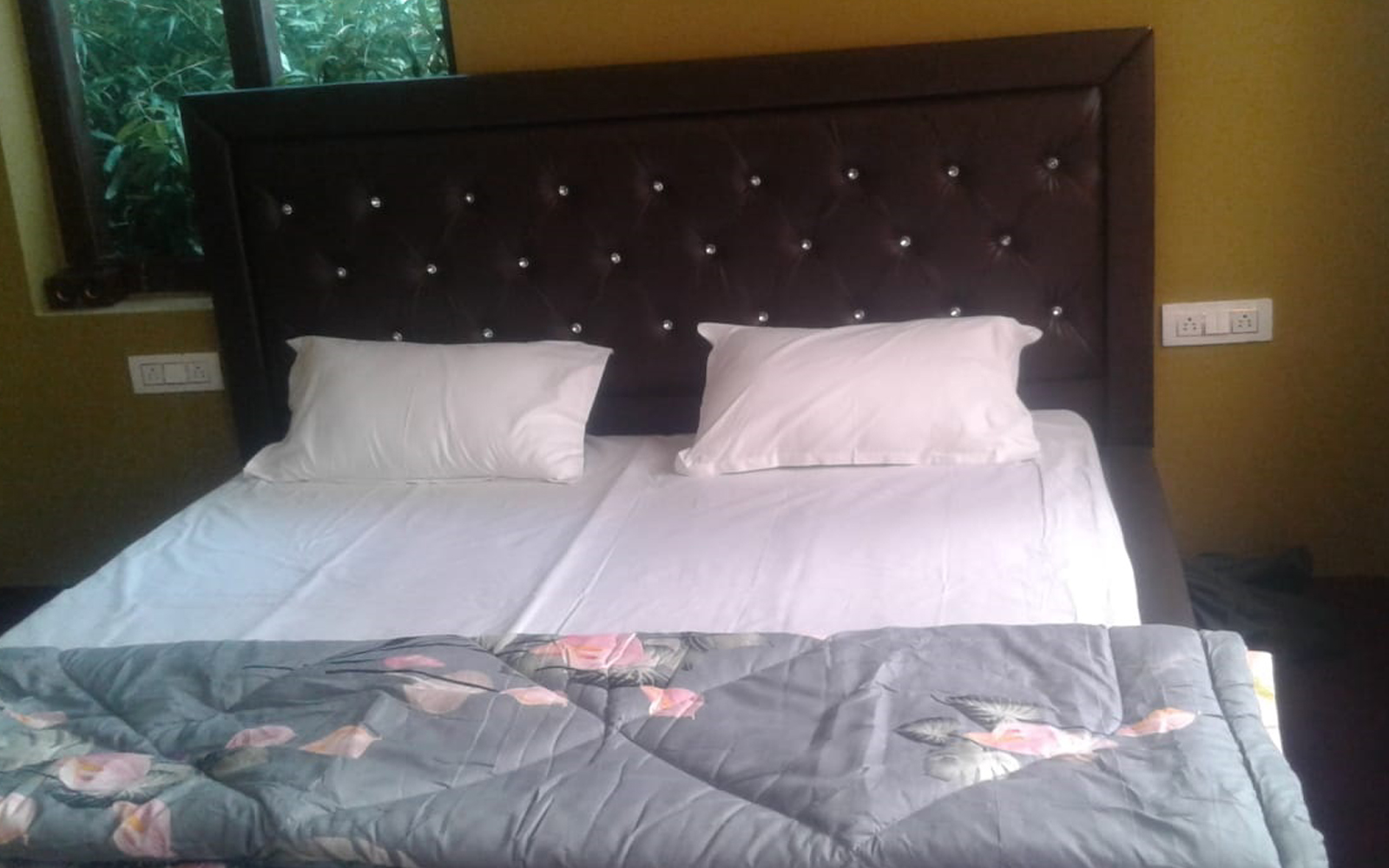
Beautiful design with modern furnishings including a glamorous bay window with your own private view of Lucerne.
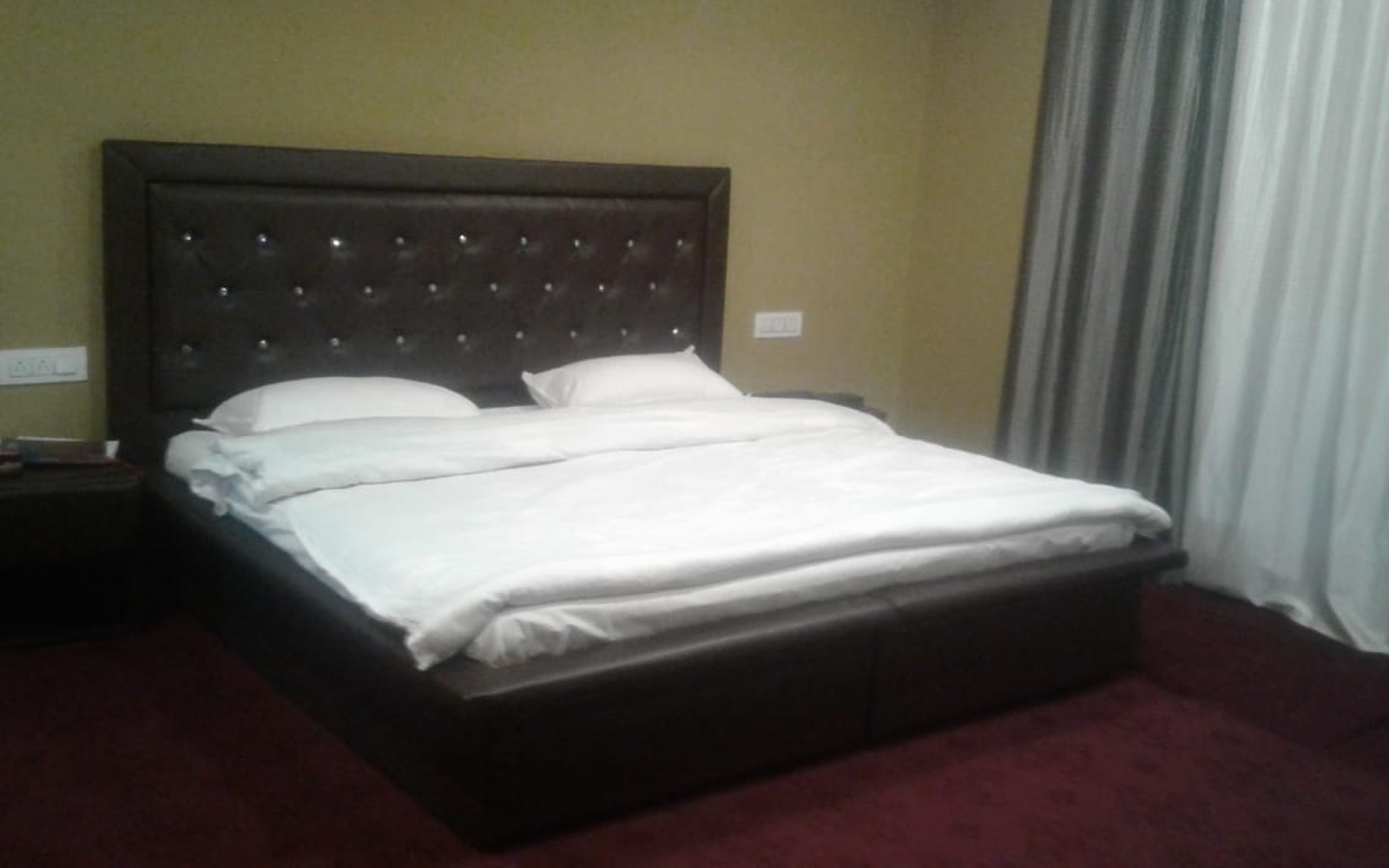
Beautiful design with modern furnishings including a glamorous bay window with your own private view of Lucerne.
Ut enim ad minima veniam, quis nostrum exercitationem ullam corporis suscipit laboriosam.
At vero eos et accusamus et iusto odio dignissimos ducimus qui blanditiis praesentium.
Similique sunt in culpa qui officia deserunt mollitia animi, id est laborum et dolorum fuga.
Nam libero tempore, cum soluta nobis est eligendi optio cumque nihil impedit quo minus.
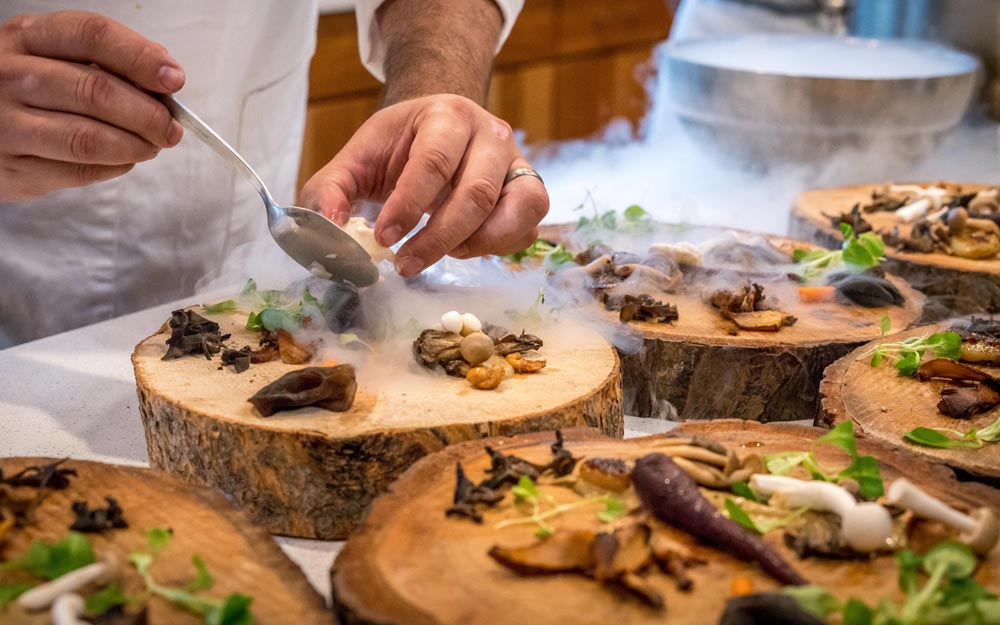
Typical food in Leh reflects the unique culture and high-altitude lifestyle of Ladakh. Thukpa, a hearty noodle soup with vegetables or meat, is a staple that keeps locals warm in the cold climate. Momos, steamed dumplings filled with vegetables or meat, are another favorite. Skyu, a traditional pasta-like dish made with wheat dough and vegetables, is both filling and nutritious.
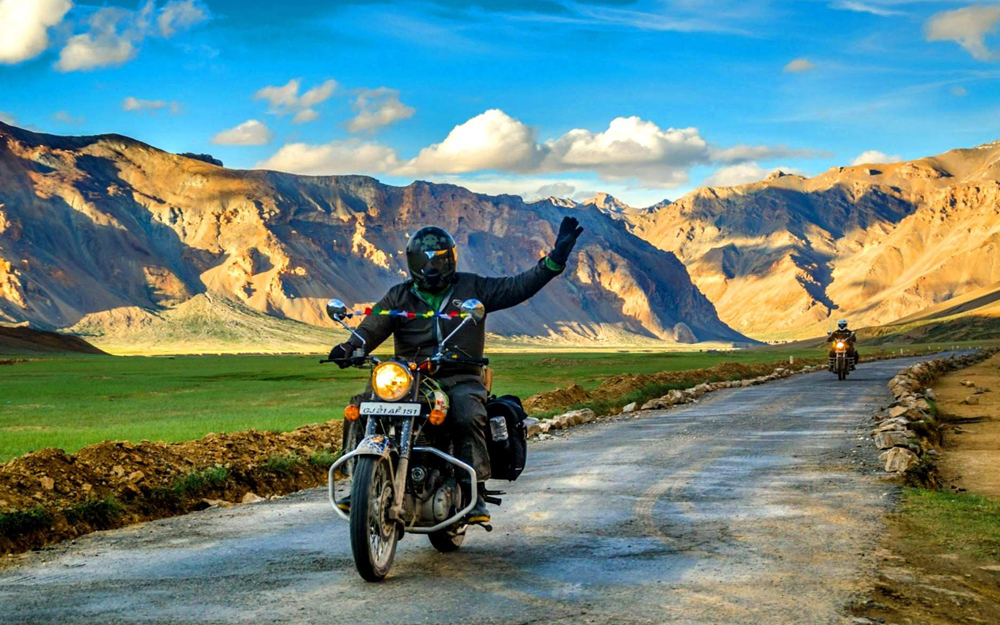
A bike ride in Leh is an unforgettable adventure, offering a thrilling blend of rugged landscapes, high-altitude passes, and breathtaking views. As you ride through winding mountain roads, you’ll witness snow-capped peaks, serene monasteries, and crystal-clear rivers. The journey across famous routes like Khardung La, Chang La, and Pangong Lake road fills you with excitement and serenity alike.
Shanti Stupa is a Buddhist white-domed Stupa (chorten) on a hilltop in Chanspa, Leh district, Ladakh, in north India. It was built in 1991 by Japanese Buddhist monk Gyomyo Nakamura. The Shanti Stupa holds the relics of the Buddha at its base, enshrined by the 14th Dalai Lama. The Stupa has become a tourist attraction not only due to its religious significance but also due to its location which provides panoramic views of the surrounding landscape.
The Shanti Stupa was built by both Japanese Buddhists and Ladakh Buddhists. The original idea belonged to The Great King Ashoka[citation needed]. Nichidatsu Fujii implemented his idea to modern time as a symbol of peace. The mission of Nichidatsu Fujii was to build Shanti Stupa as a symbol of peace.
Leh Palace, also known as Lachen Palkar Palace, is a former royal palace overlooking the city of Leh in Ladakh, India. It was constructed circa 1600 AD by Sengge Namgyal. The palace was abandoned when Dogra forces took control of Ladakh in the mid-19th century and forced the royal family to move to Stok Palace.
It is nine storeys high; the upper floors accommodated the royal family, while the lower floors held stables and store rooms. Much of the palace is in deteriorated condition, and little survives of its interior decorations. The Palace Museum holds a rich collection of jewellery, ornaments, ceremonial dresses and crowns. Tibetan thangka or paintings, which are more than 450 years old, with intricate designs still retain the bright colours derived from crushed and powdered gems and stones.
Pangong Tso or Pangong Lake (Tibetan: སྤང་གོང་མཚོ;[3] Chinese: 班公错; pinyin: Bān gōng cuò; Hindi: पैंगोंग झील, romanized: Paiṅgoṅg jhīl) is an endorheic lake spanning eastern Ladakh and West Tibet situated at an elevation of 4,225 m (13,862 ft). It is 134 km (83 mi) long and divided into five sublakes, called Pangong Tso, Tso Nyak, Rum Tso (twin lakes) and Nyak Tso. Approximately 50% of the length of the overall lake lies within Tibet administered by China, 40% in Indian-administered Ladakh, and the remaining 10% is disputed and is a de facto buffer zone between India and China. The lake is 5 km (3.1 mi) wide at its broadest point. All together it covers almost 700 km2. During winter the lake freezes completely, despite being saline water. It has a land-locked basin separated from the Indus River basin by a small elevated ridge, but is believed to have been part of the Indus basin in prehistoric times.
Historically, the lake is viewed as being made up five sublakes, which are connected through narrow water channels. The name Pangong Tso only applied to the westernmost lake that is mostly in Ladakh. The main lake on the Tibetan side is called Tso Nyak (the "middle lake"). It is followed by two small lakes called Rum Tso. The last lake near Rutog is called Nyak Tso again. The whole lake group was and is still often referred to as Tsomo Nganglha Ringpo (Tibetan: མཚོ་མོ་ངང་ལྷ་རིང་པོ[3]) in Tibetan.
Gurdwara Pathar Sahib, is a beautiful Gurudwara sahib constructed in the memory of Guru Nanak, about 25 miles away from Leh, on the Leh-Kargil road, 12000 ft above sea level. The Gurdwara was built in 1517 to commemorate the visit to the Ladakh region of Guru Nanak Dev, the founder Guru of the Sikh faith.
During his lifetime Guru Nanak travelled to many distant places and one such place was Tibet. Guru Nanak is well respected by Tibetan Buddhists who consider him a saint; The Dalai Lama, spiritual leader of Buddhists in Tibet, has confirmed this in his discussions with some Sikh leaders saying that Tibetans revere Guru Nanak as a Buddhist saint under the name of Guru Gompka Maharaj.
Taktsela Vacation Home Stay, Saboo, Near Saboo Resort
Leh, Ladakh